Step-by-step guide to photographing your car for online listings - Comprehensive Guide
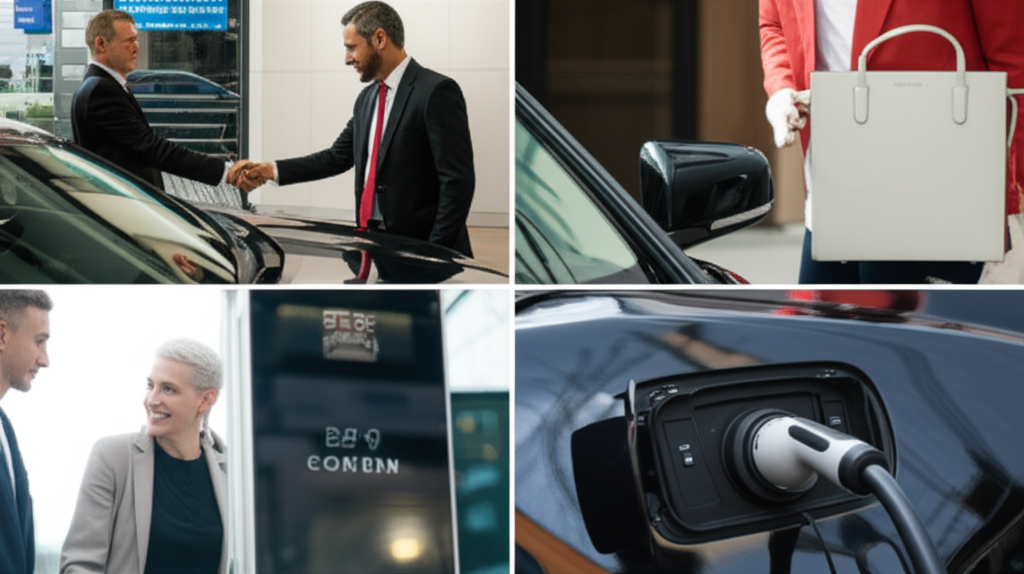
Step-by-Step Guide to Photographing Your Car for Online Listings: A Comprehensive Guide
Ready to sell your car and get top dollar? High-quality photos are the key. This comprehensive guide transforms you from amateur photographer to pro, ensuring your online listing attracts serious buyers and maximizes your selling price. We'll cover everything from prepping your car to editing your shots and crafting a compelling listing. Let's get started!
1. Preparing Your Car: The Foundation of Great Photos
A sparkling clean car is your first step to stunning photos. Think showroom-ready, not just "clean enough."
1.1 Meticulous Cleaning: Inside and Out
- Exterior: Employ the two-bucket wash method to avoid scratches. Pre-soak to loosen dirt, then wash from top to bottom. Pay close attention to details like door handles and trim.
- Wheels: Brake dust is a photographer's nemesis. Use a dedicated wheel cleaner to achieve a pristine finish.
- Windows: Streak-free windows are essential. Use a glass cleaner and microfiber cloths for a flawless shine.
- Interior: Vacuum thoroughly, paying attention to crevices. Wipe down all surfaces, and remove every personal item. Consider detailing the engine bay for an extra professional touch.
Pro Tip: For truly showroom-quality results, consider a professional detailing service. The investment pays off in higher-quality photos and a perception of better vehicle maintenance.
1.2 Location, Location, Location: Choosing the Perfect Setting
The backdrop matters! A cluttered driveway screams "amateur," while a well-chosen location elevates your photos.
Ideal Locations:
- Open spaces: Minimize distracting backgrounds. Empty parking lots are great options.
- Neutral backgrounds: Solid colors or simple textures work best.
- Soft, even lighting: Avoid harsh shadows.
- Scenic environments (optional): A beautiful natural setting can enhance your photos, but ensure the car remains the focal point.
Locations to Avoid:
- Cluttered areas: Remove any distractions from the background.
- Harsh shadows: Midday sun creates unflattering shadows.
- Power lines and distracting elements: These detract from the car's appeal.
1.3 Mastering the Light: Time and Technique
Lighting is crucial. Natural light is your best friend.
Best Times to Shoot:
- Golden Hour: The hour after sunrise and the hour before sunset offer warm, soft light.
- Overcast days: Diffused light eliminates harsh shadows.
- Early morning/late afternoon: Similar benefits to Golden Hour, but with slightly less dramatic light.
Lighting Techniques:
- Avoid midday sun: Harsh shadows ruin photos.
- Use natural light: Highlight the car's curves and contours.
- Reflectors (optional): Fill in shadows for even illumination.
- Experiment with angles: Capture how light interacts with the car's surfaces.
2. Equipment: Choosing the Right Tools
You don't need a professional-grade DSLR, but the right equipment makes a difference.
2.1 Camera Options: From Smartphones to DSLRs
- DSLR Cameras: Offer superior image quality and interchangeable lenses for ultimate control. Ideal for professionals.
- Mirrorless Cameras: Compact, lightweight, and excellent image quality, providing versatility.
- Smartphones: Modern smartphones boast impressive camera technology, offering convenience and multiple lens options. Ensure you use the highest resolution setting.
2.2 Essential Accessories: Enhancing Your Setup
- Tripod: Essential for sharp, stable images, especially in low light.
- External flash (optional): Provides fill light in low-light conditions.
- Lens cleaning kit: Keep your lenses spotless for crystal-clear images.
- Portable reflectors: Bounce light to fill in shadows and brighten darker areas.
- Remote shutter release: Avoid camera shake when shooting.
3. Composition: Telling a Visual Story
Composition is key to captivating photos.
3.1 Framing Your Shots: The Rule of Thirds and Beyond
- Rule of Thirds: Place the car off-center for a more visually appealing composition.
- Multiple Angles: Capture the car from various perspectives (front three-quarter, rear three-quarter, side profile, full front, full rear).
- Interior Close-ups: Showcase the interior's condition and features.
3.2 Highlighting Key Features: Showcasing the Best Aspects
Focus on unique selling points:
- Wheel design: Capture the detail and quality of the wheels.
- Interior craftsmanship: Highlight luxurious materials and features.
- Special modifications: Show off any unique customizations.
- Pristine condition areas: Emphasize areas that demonstrate the car's excellent condition.
3.3 Avoiding Common Mistakes: Pitfalls to Avoid
- Cutting off car parts: Ensure the entire car is visible in the frame.
- Inconsistent angles: Maintain a consistent shooting style.
- Cluttered backgrounds: Keep the background clean and uncluttered.
- Poor lighting: Use natural light effectively to avoid harsh shadows.
- Unflattering perspectives: Experiment with angles to find the most flattering views.
4. Taking the Photos: From Click to Capture
4.1 Camera Settings: Optimizing Your Shot
- ISO: 100-400 (lower is better for less noise).
- Aperture: f/8 to f/11 for sharp details.
- Shutter Speed: 1/125 to 1/250 to avoid motion blur.
- RAW format: Allows for greater flexibility during editing.
4.2 Experimentation: Capturing Diverse Perspectives
- Multiple shots: Take several shots of each angle to ensure you get the perfect one.
- Vary your perspective: Get low, get high, get creative!
- Capture unexpected details: Highlight unique features.
- Burst mode: Capture dynamic shots, especially if you're showing off movement.
4.3 On-Site Review: Assessing Your Work
Before leaving, review your photos on a larger screen. Check for sharpness, composition, and lighting. Reshoot if necessary.
5. Editing: Polishing Your Masterpieces
5.1 Basic Editing Techniques: Enhancing Your Images
- Brightness and contrast: Adjust for optimal visual appeal.
- Cropping: Improve composition and remove unwanted elements.
- Color balance: Ensure accurate and consistent colors.
- Minor imperfections: Remove small blemishes or scratches.
- Natural appearance: Avoid over-editing; maintain a realistic look.
5.2 Software Recommendations: Tools for the Job
- Adobe Lightroom: Powerful and versatile editing software.
- Adobe Photoshop: Advanced editing capabilities for professionals.
- Snapseed (Mobile): User-friendly mobile app with excellent features.
- VSCO: Popular mobile app for photo editing and filters.
- Pixlr: Free online and mobile photo editor.
6. Creating Your Online Listing: Showcasing Your Work
6.1 Choosing the Right Platform: Reaching Your Audience
- AutoTrader
- Craigslist
- Facebook Marketplace
- Cars.com
- eBay Motors
6.2 Writing a Compelling Description: The Perfect Accompaniment
Your description should complement your photos:
- Detailed vehicle history: Be transparent and honest.
- Maintenance records: Provide proof of upkeep.
- Unique features: Highlight what makes your car special.
- Reason for selling: Offer a brief explanation.
- Transparent condition report: Address any known issues.
7. Conclusion: Sell Your Car with Confidence
By following this guide, you'll create a compelling visual story that attracts buyers and helps you sell your car quickly and at the best possible price. Remember, high-quality photos are an investment that pays off.
8. FAQ
(Answers provided in original content remain relevant and well-placed.)